
Sanitary Butterfly Valve Design, Working & Industrial Benefits
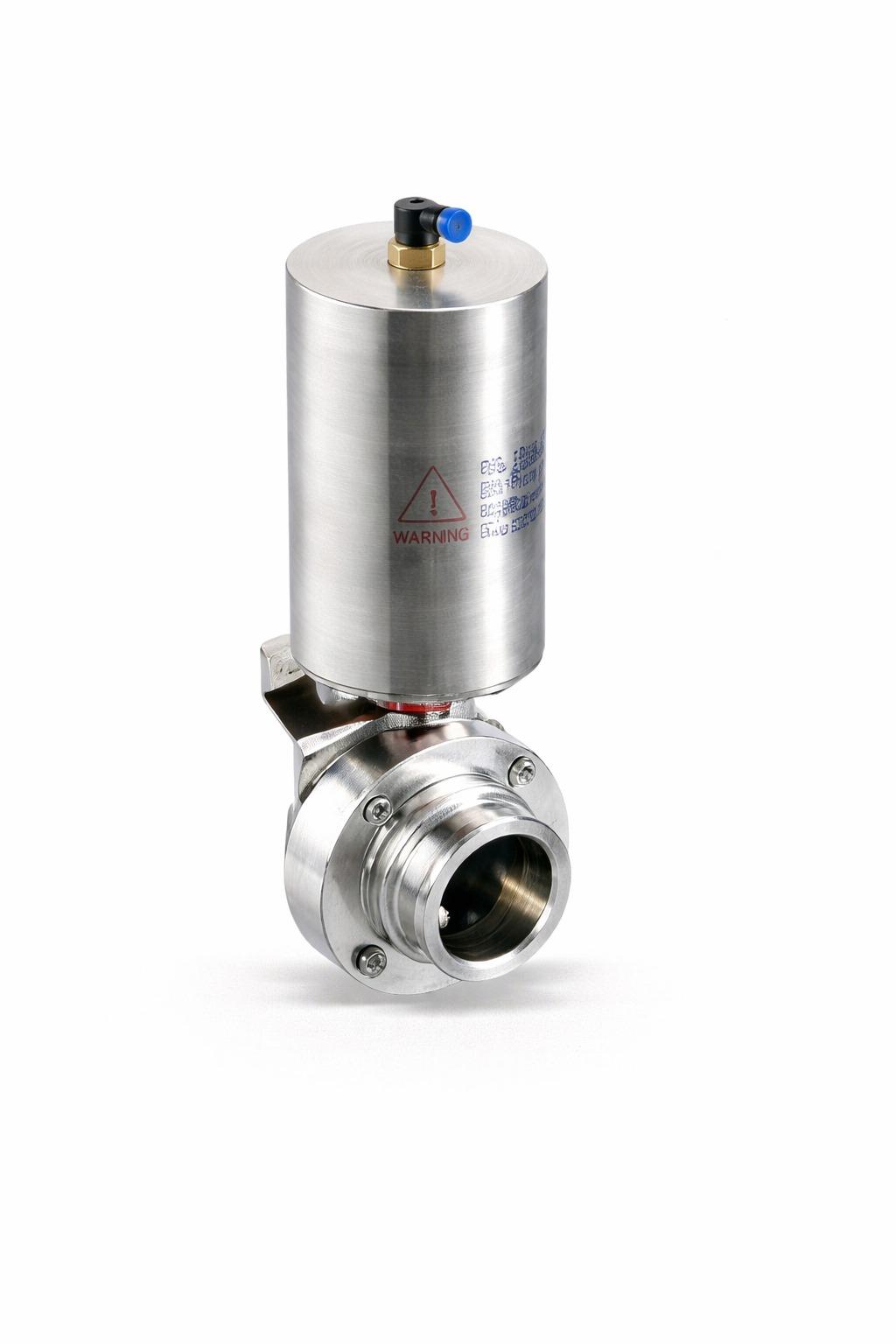
In industries where hygiene and contamination-free processing are critical, selecting the right valve is extremely important. Food processing, pharmaceutical manufacturing, dairy production, and beverage industries all require reliable and hygienic flow control systems. One of the most commonly used valves in these applications is the Sanitary Butterfly Valve. Known for its compact design, easy operation, and hygienic construction, this valve plays a major role in maintaining safe and efficient industrial processes.
A Sanitary Butterfly Valve is specially designed for applications where cleanliness, corrosion resistance, and smooth fluid handling are essential. These valves offer quick shutoff, easy cleaning, and long service life, making them highly suitable for sanitary processing systems.
What is a Sanitary Butterfly Valve?
A Sanitary Butterfly Valve is a quarter-turn valve used to regulate or isolate the flow of liquids, gases, and semi-fluid materials in hygienic processing lines. The valve uses a rotating disc mounted inside the pipe to control fluid flow. When the disc rotates parallel to the flow direction, the valve opens, and when rotated perpendicular, the valve closes completely.
Unlike conventional valves, a Sanitary Butterfly Valve is designed with polished internal surfaces and hygienic connections to eliminate contamination risks. These valves are generally manufactured using stainless steel materials such as SS304 and SS316, which provide excellent corrosion resistance and durability.
Design of Sanitary Butterfly Valve
The design of a Sanitary Butterfly Valve focuses on hygiene, easy cleaning, and efficient operation. Every component is engineered to support contamination-free fluid handling.
Valve Body
The valve body is usually made from stainless steel with a smooth polished finish. The polished surface prevents material buildup and bacterial growth, which is essential in sanitary industries.
Disc
The disc is the main flow control element inside the valve. It rotates to regulate or stop fluid flow. In a Sanitary Butterfly Valve, the disc is designed for minimal pressure drop and smooth operation.
Seat
The seat provides leak-proof sealing between the disc and valve body. Common seat materials include EPDM, PTFE, and silicone, which are suitable for food-grade and pharmaceutical applications.
Stem
The stem connects the actuator or handle to the disc. It transfers rotational movement to open or close the valve.
Handle or Actuator
A Sanitary Butterfly Valve can be operated manually using a handle or automatically using pneumatic or electric actuators. Automated systems improve efficiency and process control in industrial plants.
Hygienic Connections
Most Sanitary Butterfly Valve models use tri-clamp or welded end connections to ensure secure and hygienic installation.
Working Principle of Sanitary Butterfly Valve
The working mechanism of a Sanitary Butterfly Valve is simple and efficient. The valve operates using a quarter-turn rotational motion.
When the handle or actuator rotates the stem, the disc inside the valve also rotates. In the open position, the disc aligns parallel to the fluid flow, allowing unrestricted passage of media. In the closed position, the disc blocks the flow completely, creating a tight shutoff.
This quick operation makes the Sanitary Butterfly Valve ideal for industrial systems requiring fast and reliable flow control. The valve can also be partially opened to regulate flow rate when necessary.
Importance of Sanitary Butterfly Valve in Hygienic Industries
Industries handling consumable or sensitive products must maintain strict hygiene standards. Even minor contamination can affect product quality and safety. This is why the Sanitary Butterfly Valve is widely preferred in sanitary applications.
Its smooth internal design prevents bacteria accumulation and allows easy cleaning through CIP (Clean-In-Place) and SIP (Sterilize-In-Place) systems. The corrosion-resistant construction also ensures long-term reliability in demanding industrial environments.
Applications of Sanitary Butterfly Valve
Food Processing Industry
Food processing plants use Sanitary Butterfly Valve systems for handling milk, juices, sauces, syrups, edible oils, and liquid food products. The hygienic design helps maintain product purity and safety.
Dairy Industry
In dairy processing systems, a Sanitary Butterfly Valve controls the flow of milk, cream, yogurt, and cheese production materials while maintaining hygienic conditions.
Beverage Industry
Beverage manufacturers rely on Sanitary Butterfly Valve solutions for water, soft drinks, fruit juices, and brewery applications due to their easy cleaning and reliable sealing performance.
Pharmaceutical Industry
Pharmaceutical plants use Sanitary Butterfly Valve systems for purified water, sterile fluids, chemicals, and medicine production processes where contamination control is essential.
Cosmetic Industry
Cosmetic manufacturing facilities also use Sanitary Butterfly Valve products for hygienic handling of lotions, creams, and liquid ingredients.
Industrial Benefits of Sanitary Butterfly Valve
Hygienic Performance
One of the biggest advantages of a Sanitary Butterfly Valve is its hygienic construction. Smooth surfaces and crevice-free design minimize contamination risks.
Corrosion Resistance
Stainless steel construction allows the Sanitary Butterfly Valve to resist corrosion, chemicals, moisture, and cleaning agents effectively.
Easy Cleaning
CIP and SIP compatibility make cleaning fast and efficient without dismantling the pipeline system.
Compact Design
Compared to other valve types, a Sanitary Butterfly Valve is lightweight and compact, reducing installation space requirements.
Low Maintenance
The simple structure of a Sanitary Butterfly Valve reduces maintenance requirements and lowers operational costs.
Quick Operation
Quarter-turn operation allows rapid opening and closing, improving process efficiency in industrial plants.
Leak-Proof Sealing
Advanced seat materials ensure tight shutoff and prevent leakage during operation.
Automation Compatibility
A Sanitary Butterfly Valve can easily integrate with pneumatic and electric actuators for automated process control systems.
Factors to Consider When Selecting a Sanitary Butterfly Valve
Choosing the right Sanitary Butterfly Valve is important for achieving reliable performance and long service life. Industries should consider:
- Valve size and pressure rating
- Type of fluid handled
- Operating temperature
- Seat material compatibility
- Manual or automated operation
- Hygienic certification standards
- Connection type
Selecting a trusted manufacturer ensures better quality, performance, and compliance with industrial requirements.
Conclusion
The Sanitary Butterfly Valve has become an essential component in modern hygienic processing systems. Its compact design, easy operation, and contamination-free performance make it highly suitable for food, pharmaceutical, dairy, beverage, and cosmetic industries.
With benefits such as corrosion resistance, easy cleaning, leak-proof sealing, and automation compatibility, the Sanitary Butterfly Valve helps industries improve operational efficiency while maintaining strict hygiene standards. As sanitary industries continue to grow, the demand for reliable and high-performance hygienic valves will also continue increasing.

 English
 Arabic
 French
 Spanish
 Portuguese
 Deutsch
 Turkish
 Dutch
Dutch
 Italiano
 Russian
 Portuguese (Brazil)
 Greek
Greek
 Chinese
