Personalized Iron on Patches: The Latest Trend in Custom Fashion
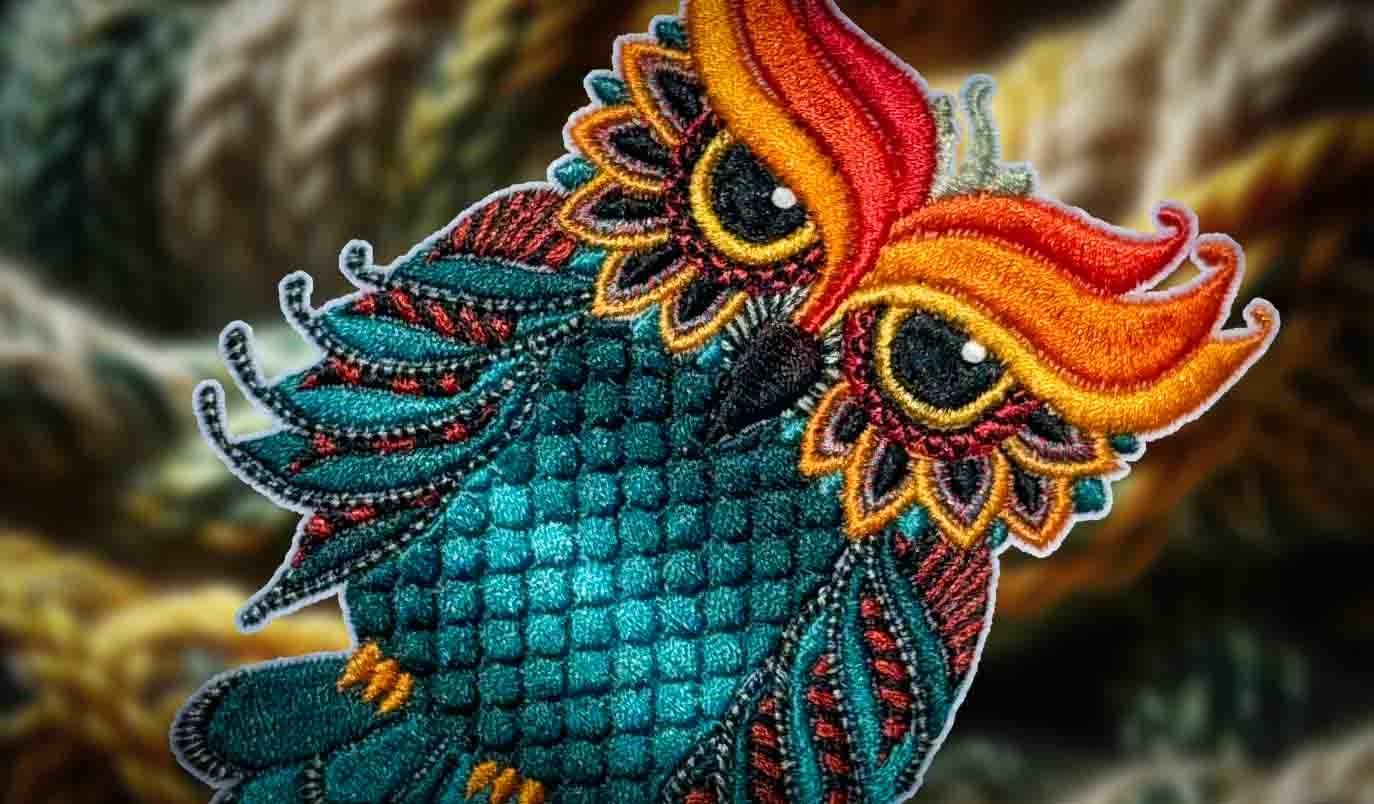
Walk through any busy city street or scroll through your favorite social media feed, and you will notice something exciting. Denim jackets covered in quirky designs. Backpacks sporting sarcastic quotes. Baseball caps featuring inside jokes or pet portraits. This explosion of self-expression has one simple hero: the humble iron-on patch. No sewing skills required. No expensive equipment. Just a hot iron and a few seconds of pressure. What makes this trend so powerful is the ability to create something completely your own. From small businesses to individual artists, everyone jumps on board with personalized iron on patches.
Why Iron-On Patches Have Taken Over Fashion
Fashion trends come and go, but the desire to stand out stays forever. Mass-produced clothing feels generic. Personalized iron-on patches offer an instant fix. You grab a plain jacket from a thrift store, add a few patches that reflect your personality, and suddenly you wear something that no one else owns. That feeling of uniqueness drives the entire custom fashion movement.
Iron-on patches also solve a practical problem. Not everyone owns a sewing machine or knows how to stitch. The iron-on method opens patch customization to anyone with access to a clothes iron and a flat surface. You position the patch, cover it with a pressing cloth, apply heat for about fifteen seconds, and you are done. The adhesive bonds firmly to most fabrics, including cotton, denim, canvas, and polyester blends.
The trend exploded during the pandemic when people looked for creative stay-at-home projects. It never faded. Today, major fashion brands sell patch kits alongside their clothing lines. Etsy shops devoted entirely to custom patches thrive. Music fans collect band patches for their battle vests. Sports fans commemorate championships. The versatility keeps the trend fresh.
How Personalized Patches Beat Mass-Produced Alternatives
Walk into a department store, and you will find racks of pre-designed patches. Butterflies, skulls, flowers, and flags. They look fine, but they carry no meaning. A personalized patch tells a story. Your company logo on employee jackets builds team pride. Your child’s drawing turned into a patch becomes a cherished keepsake. Your podcast logo on merchandise turns listeners into walking billboards.
Mass-produced patches also limit your size, shape, and color options. Personalized patches bend to your will. Need an oddly shaped patch that follows your mascot’s silhouette? No problem. Want a patch in your exact brand colors? Easy. Need ten patches or ten thousand? The process scales smoothly. You control every variable.
The personalization trend also feeds the gift market. A custom patch featuring a friend’s pet, a favorite hobby, or an inside joke makes a thoughtful, low-cost present. Unlike a generic gift card, a personalized patch shows effort and creativity. Recipients proudly attach them to bags or jackets, creating lasting memories.
The Simple Process of Creating Your Own Iron-On Patches
You do not need to be a professional designer to create personalized iron-on patches. The process breaks down into four straightforward steps.
First, come up with your design. Keep it simple. Embroidery works best with bold shapes, limited colors, and clear outlines. Tiny text or intricate details get lost in the thread. Use a high-contrast color palette. Avoid gradients, drop shadows, and photographic elements.
Second, send your design to a digitizer. Embroidery machines need stitch files. A professional digitizer converts your artwork into a format the machine understands. They adjust stitch density, add underlay, and set pull compensation. Good digitizing ensures your patch sews cleanly without puckering or thread breaks.
Third, approve a sample. Never order hundreds of patches without seeing a physical sample first. The sample reveals thread color accuracy, border quality, and overall feel. Test the iron-on adhesive on your intended fabric. Make sure it bonds securely.
Fourth, place your final order. Provide the digitized file to a patch manufacturer. They run the embroidery, cut the patches, apply the iron-on adhesive backing, and ship them to you. The whole process typically takes two to three weeks for small to medium orders.
What Makes a Great Personalized Iron-On Patch
Quality matters. A cheap patch frays at the edges, fades after washing, or peels off within a week. Invest in patches that last. Look for dense, even stitching with no gaps between colors. The merrowed border (the tight overlocked edge) should feel firm and uniform, not loose or wavy. The twill fabric base should hold its shape without curling.
The iron-on adhesive also varies in quality. Low-grade adhesives melt unevenly or fail to bond with certain fabrics. High-grade adhesives create a strong, flexible bond that survives dozens of washes. Ask your manufacturer about their adhesive type and recommended application temperature. Some premium adhesives require a heat press for best results, while others work perfectly with a household iron.
Edge finishing matters too. Laser-cut or heat-cut edges give a modern, seamless look perfect for complex shapes. Merrowed edges offer a classic, durable border that prevents fraying. Choose based on your design and intended use. A patch on a frequently washed work uniform needs a sturdy merrowed edge. A patch on a fashion jacket worn occasionally might suit a laser-cut finish.
Creative Ways to Use Personalized Iron-On Patches
The applications extend far beyond jackets and backpacks. Here are some creative ideas flourishing in 2026.
Corporate branding. Small businesses sew patches onto employee aprons, hats, and bags. It looks professional and costs less than full uniform embroidery.
Event merchandise. Music festivals, marathons, and conferences sell custom patches as affordable swag. Attendees collect them as souvenirs.
Wedding favors. Couples create patches with their wedding date and initials. Guests attach them to denim jackets or keepsake blankets.
Pet accessories. Dog owners personalize patches for collars and harnesses. The patch includes the pet’s name and an emergency contact number.
Book lovers. Reading clubs design patches for tote bags. Each member gets one after completing a certain number of books.
Sports teams. Youth leagues sell personalized patches with player numbers and mascots. Parents buy them for game-day jackets.
Each of these uses benefits from the iron-on format. No sewing means anyone can attach the patch without special skills or tools.
Caring for Your Iron-On Patches to Make Them Last
Share these care tips with anyone who receives your patches. First, wait 24 hours after ironing before washing. This lets the adhesive fully cure. Turn the garment inside out. Use cold water on a gentle cycle. Avoid fabric softeners, which break down adhesive and thread fibers.
Never use a dryer. High heat melts iron-on adhesive and shrinks fabric around the patch. Air dry instead. If a corner lifts, re-press with a hot, dry iron. Place a pressing cloth over the patch to protect the threads. Apply firm pressure for ten seconds.
For heavily worn items like work uniforms, consider adding a few reinforcement stitches around the patch edge. Sewing through the iron-on adhesive adds significant durability. A simple whip stitch by hand takes five minutes and extends the patch’s life by years.
Store loose patches flat in a cool, dry place. Avoid folding or stacking heavy objects on top of them. The adhesive can dry out or become brittle over time. Use stored patches within two years for best results.
Why Needle Digitizing Helps You Create Perfect Patches
Creating personalized iron-on patches starts with expert digitizing. The digitized file determines how your design sews out. Poor digitizing leads to thread breaks, uneven fills, and disappointing results. Needle Digitizing specializes in converting artwork into clean, production-ready stitch files. Their team asks about your fabric, desired size, and thread preferences. They provide a digital proof and offer revisions until you feel completely satisfied. Whether you order fifty patches for a small event or five thousand for a retail launch, Needle Digitizing ensures every patch meets your quality standards.
The Future of Personalized Iron-On Patches
The trend shows no signs of slowing. New technology makes patch creation faster and more affordable. Direct-to-film printing allows photorealistic patches that blend printed details with embroidered borders. Eco-friendly materials, including recycled thread and bio-based adhesives, appeal to environmentally conscious consumers. Social media continues to fuel inspiration, with hashtags like patchjacket and custompatch collecting millions of posts.
As home embroidery machines become more accessible, more people will make their own patches. But the iron-on format remains the great equalizer. You do not need a machine. You do not need skills. You only need an idea and a hot iron. That accessibility guarantees the trend stays strong for years to come.
Conclusion
Personalized iron-on patches have transformed custom fashion from a niche hobby into a mainstream movement. They offer an easy, affordable way to express identity, promote brands, and create meaningful gifts. The process starts with a simple design, benefits from expert digitizing, and ends with a durable, wearable piece of art. Whether you cover a jacket, decorate a backpack, or unify a team, iron-on patches deliver style without the hassle of sewing. Jump into the trend today. Create a patch that tells your story. Then iron it on and wear it proudly.
 English
 Arabic
 French
 Spanish
 Portuguese
 Deutsch
 Turkish
 Dutch
Dutch
 Italiano
 Russian
 Romaian
 Portuguese (Brazil)
 Greek
Greek
