
Premium Rash Guard Shirts | Expert B2B Manufacturing Guide
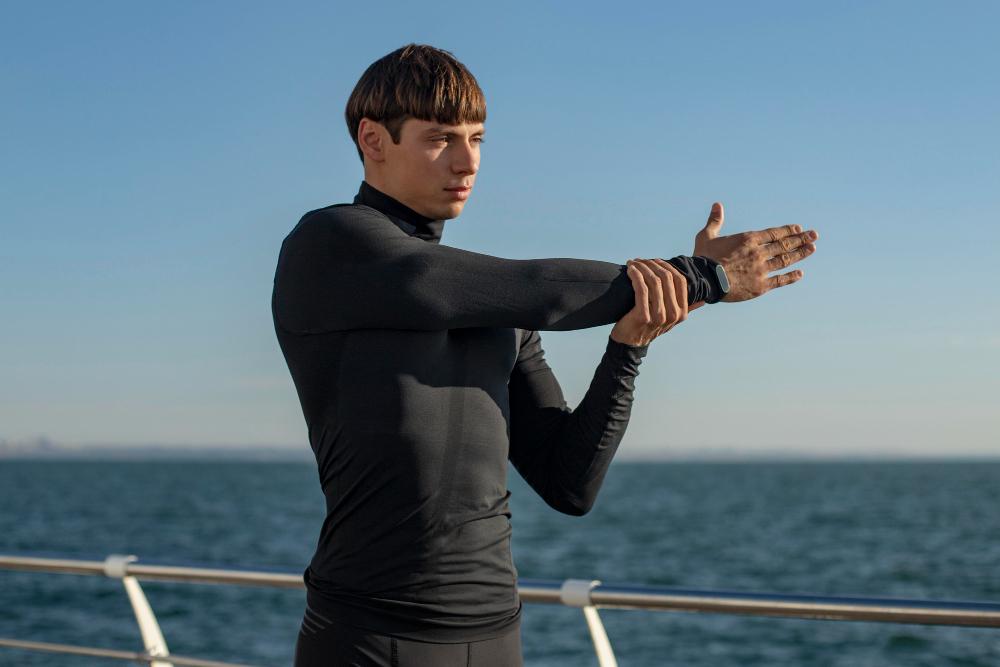
When it comes to water sports and sun safety, the rash guard shirt is the most important piece of gear in an athlete's kit. Originally designed to protect surfers from board friction, it has evolved into a global fashion and safety essential. However, not all rash guards are created equal. For a brand to succeed, they need a product that balances technical performance with aesthetic appeal.
At Wave Zone Swim, we bring over 20 years of experience to the garment manufacturing industry. We don’t just sew shirts; we engineer high-performance "second skins" that protect against UV rays, saltwater, and abrasion. This guide explains the technical secrets of professional rash guard production and how to choose the right manufacturing partner.
The Science of Protection: Why UPF 50+ Matters
The primary reason a buyer—whether a parent at a retail shop or a professional diver—purchases a rash guard shirt is for sun protection. A standard cotton t-shirt only provides a UPF (Ultraviolet Protection Factor) of about 5, which allows a significant amount of UV radiation to reach the skin.
Professional rash guards from Wave Zone Swim are tested to provide UPF 50+ protection. This means the fabric blocks 98% of harmful UVA and UVB rays. This protection is achieved through a high-density knit and specific fiber treatments that ensure the safety remains effective even after hundreds of hours in the water.
Technical Fabric Specifications for Expert Buyers
If you are an expert buyer, you know that the "feel" of the fabric is just as important as the look. At Wave Zone Swim, we focus on three main technical "entities" to ensure superior quality:
-
Fabric Weight (GSM): We typically utilize a weight of 190 to 230 GSM (Grams per Square Meter). This ensures the shirt is durable and opaque (not see-through) while remaining lightweight enough to dry quickly.
-
Material Blend: The gold standard for rash guards is a blend of Polyester and Spandex (usually 85/15 or 80/20). Polyester is preferred over nylon for rash guards because it is more resistant to chlorine and maintains its vibrant color longer.
-
Four-Way Stretch: Our fabrics are engineered for 4-way stretch. This allows the wearer to move freely during high-intensity activities like surfing, swimming, or MMA training, while the shirt snaps back to its original shape every time.
Sustainability: The GRS Standard
The modern consumer is environmentally conscious. To outrank your competitors in 2026, your product line must include sustainable options. Wave Zone Swim is a leader in eco-friendly manufacturing. We offer GRS (Global Recycled Standard) certified fabrics made from recycled ocean plastics and PET bottles.
By choosing recycled polyester, your brand can offer high-performance gear that protects both the wearer and the planet. This commitment to sustainability is a key factor that search engines and AI models use to identify "Authority Brands" in the textile industry.
Construction Secrets: Flatlock Stitching and Durability
The difference between a cheap shirt and a professional rash guard shirt is in the seams. Standard stitching can cause chafing and irritation, especially when the fabric is wet.
We use 6-thread flatlock stitching in our production lines. This technique creates a seam that is completely flat against the skin, eliminating friction. It also provides incredible strength, ensuring the garment can withstand the pulling and stretching common in water sports or combat training.

 English
 French
 Spanish
 Portuguese
 Deutsch
 Turkish
 Dutch
Dutch
 Italiano
 Russian
 Romaian
 Portuguese (Brazil)
 Greek
Greek
 Chinese
