
Rosemary Oil vs Chemical Treatments: Which Is Better for Your Hair?
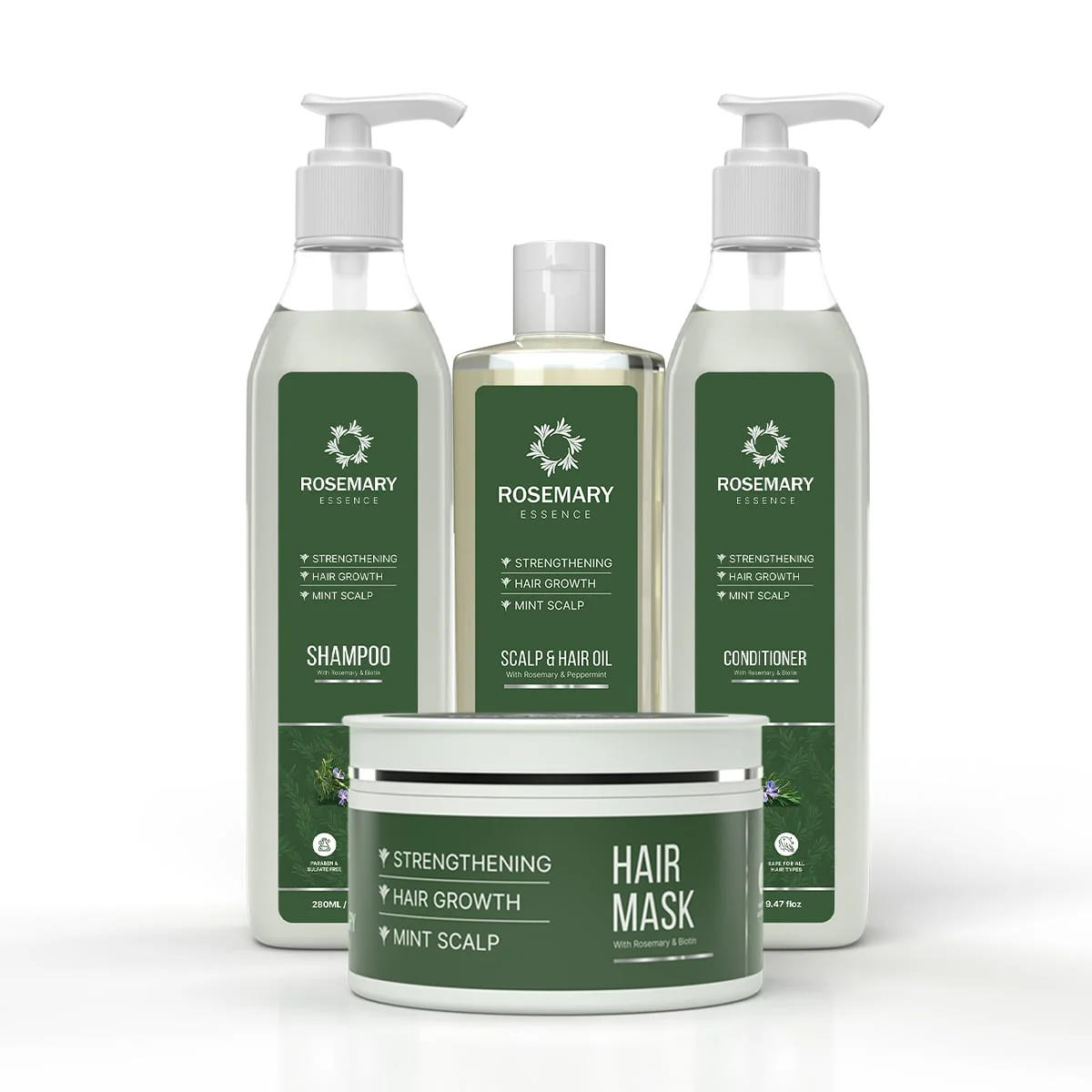
Hair loss, thinning, and weak strands are problems millions of people face today. From salon shelves to online stores, two major solutions dominate the conversation: natural remedies like rosemary oil and chemical or medically formulated hair treatments such as minoxidil-based products, anti-hair fall serums, and prescription therapies.
But the real question is simple: which one is actually better for your hair in the long run?
The answer is not as straightforward rosemary oil price in pakistan as “natural is better” or “chemical is stronger.” It depends on your scalp condition, hair goals, sensitivity, and consistency of use. Let’s break it down in detail.
Understanding Rosemary Oil for Hair Care
Rosemary oil is an essential oil extracted from the leaves of the rosemary plant. It has been used for centuries in traditional medicine, but recently it has gained attention in modern hair care.
Research suggests rosemary oil may support hair health by:
- Improving blood circulation in the scalp
- Reducing inflammation and dandruff
- Providing antioxidant protection
- Possibly stimulating hair follicles
Some studies even suggest it may perform similarly to mild minoxidil in certain cases of hair thinning, although results are still limited and not guaranteed for everyone .
Key benefits of rosemary oil:
- Natural and plant-based
- Fewer reported side effects
- Helps improve scalp environment
- Can reduce itchiness and dryness
- Supports overall hair strength and shine
However, rosemary oil is not a miracle cure. It works slowly, and its effectiveness depends heavily on consistency and proper dilution.
Understanding Chemical Hair Treatments
Chemical hair treatments include products like:
- Minoxidil (topical hair regrowth solution)
- Prescription hair loss medications
- Medicated shampoos
- Clinical hair serums and growth stimulants
These products are designed to target specific causes of hair loss, especially androgenetic alopecia (pattern baldness).
Unlike natural oils, chemical treatments are often:
- Clinically tested
- Faster acting
- More targeted toward hair regrowth pathways
For example, minoxidil works by increasing blood flow to hair follicles and extending the growth phase of hair.
Key benefits of chemical treatments:
- Scientifically tested results
- Faster visible improvement (in some users)
- Stronger impact on genetic hair loss
- Available in different strengths and formulations
But they also come with possible downsides.
Side Effects: Natural vs Chemical
One of the biggest differences between rosemary oil and chemical treatments is side effects.
Rosemary Oil Side Effects
While natural, it is not risk-free. Overuse or improper dilution may cause:
- Scalp irritation
- Allergic reactions
- Dryness or buildup
- Temporary shedding in sensitive users
Experts recommend always mixing it with a carrier oil before applying .
Chemical Treatment Side Effects
Chemical treatments are more potent and therefore may cause:
- Scalp itching or burning
- Initial increased shedding (common in minoxidil users)
- Dryness or flaking
- Possible dependency for continued results
- Rare systemic side effects depending on medication
Because of this, some users prefer natural alternatives, especially if they have sensitive scalps.
Effectiveness: Which Works Better?
This is where things get interesting.
Rosemary Oil Effectiveness
- Works gradually over months
- Best for mild thinning and scalp health
- Helps improve hair quality more than dramatic regrowth
- Results vary widely between individuals
Chemical Treatment Effectiveness
- Faster and more noticeable results in many cases
- Stronger for genetic hair loss
- More consistent clinical evidence
- Often recommended by dermatologists rosemary oil for hair growth for moderate to severe hair loss
Simple truth:
- Rosemary oil = support + prevention
- Chemical treatments = active regrowth therapy
Natural vs Chemical: Head-to-Head Comparison
| Factor | Rosemary Oil | Chemical Treatments |
|---|---|---|
| Speed of results | Slow (months) | Moderate to fast |
| Scientific backing | Limited but growing | Strong clinical evidence |
| Side effects | Mild | Moderate to high (varies) |
| Cost | Low | Medium to high |
| Ease of use | Simple DIY | Requires consistency/medical guidance |
| Best for | Scalp health, mild thinning | Pattern baldness, severe hair loss |
Which One Is Safer?
Safety depends on usage.
- Rosemary oil is generally safer but can still irritate if misused.
- Chemical treatments are more powerful but come with a higher risk of side effects.
If you have a sensitive scalp or prefer a gentle routine, rosemary oil is usually the safer option.
If you are dealing with advanced hair loss, chemical treatments may be more effective—but should ideally be used under professional guidance.
Can You Use Both Together?
Yes, and many people actually do.
A combined routine might include:
- Rosemary oil for scalp nourishment
- Chemical treatment for active hair regrowth
However, timing matters. Using both at the same time can irritate the scalp, so they are usually applied separately (for example, oil on different days than medicated treatments).
Who Should Choose Rosemary Oil?
Rosemary oil is ideal for people who:
- Want a natural hair care routine
- Have early-stage hair thinning
- Prefer fewer chemicals
- Want to improve scalp health and texture
- Are focusing on prevention rather than aggressive regrowth
It is also a good long-term maintenance option.
Who Should Choose Chemical Treatments?
Chemical treatments are better for people who:
- Have noticeable hair thinning or bald patches
- Are experiencing genetic hair loss
- Want faster results
- Are under dermatological care
- Need clinically proven solutions
Final Verdict: Which Is Better?
There is no universal winner.
- If you want natural care, scalp health, and minimal side effects → rosemary oil is better
- If you want strong, clinically backed hair regrowth → chemical treatments are better
The smartest approach is often a balanced combination of both, guided by your hair condition and tolerance.
Conclusion
Hair care is not about choosing “natural vs chemical” blindly. It’s about understanding what your hair actually needs.
Rosemary oil supports your scalp and strengthens your hair naturally, while chemical treatments directly target hair regrowth pathways with stronger scientific backing.
Instead of asking which one is better overall, the real question should be:

 English
 Arabic
 French
 Spanish
 Portuguese
 Turkish
 Dutch
Dutch
 Italiano
 Russian
 Romaian
 Portuguese (Brazil)
 Greek
Greek
 Chinese
